Before the Headline
The longstanding tensions between Afghanistan and Pakistan have often manifested in violent confrontations, with educational institutions frequently caught in the crossfire. Historical patterns suggest that attacks on schools and universities not only endanger lives but also have far-reaching implications for a nation’s social fabric and its international relations, reminiscent of the Taliban’s earlier assaults on education during its rise in the late 1990s.
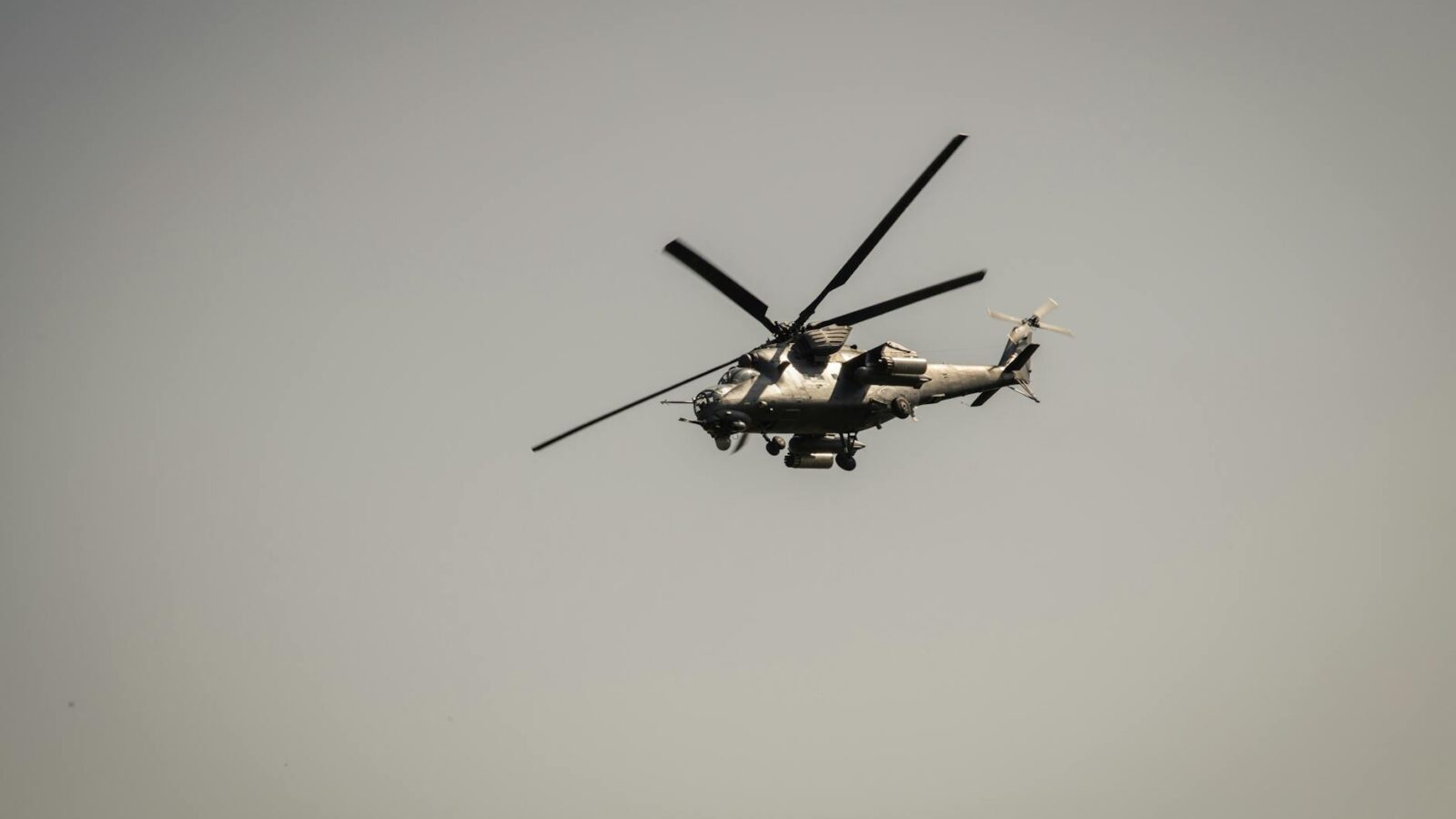
The recent aerial bombardment in Kunar province, which resulted in at least seven fatalities and 75 injuries at a local university, illuminates a grim chapter in this ongoing conflict. Sources indicate that the assault has sparked renewed fears regarding the security of educational facilities throughout Afghanistan.
As violence escalates, particularly targeting educational institutions, the potential repercussions extend beyond the immediate loss of life. Such assaults traditionally signal a calculated attempt to undermine Afghanistan’s future by destabilizing its youth, who form the backbone of any nation’s hope for recovery and progress. With already tenuous international support for Afghanistan’s reconstruction efforts, this attack could further isolate the country, complicating what little aid remains.
What We Know
- Airstrikes on an Afghan university in Kunar province have killed seven and injured 75.
- This incident follows a pattern of violence against educational institutions in the region.
- International aid organizations have already been reducing their presence in Afghanistan due to security concerns.
What We Don’t Know Yet
- Who specifically conducted the airstrikes and what their immediate objectives were.
- The long-term impact on educational programs and international aid engagement.
Between the Lines
Mainstream narratives often overlook the broader implications of such violence. The repeated targeting of educational institutions not only disrupts current learning but also deters future investments in humanitarian support — a vicious cycle that could leave Afghanistan further stranded from the global community.
Moreover, the silence from international actors regarding these airstrikes raises questions about diplomatic priorities. While the situation deteriorates, a lack of decisive condemnation or intervention indicates a troubling trend of disengagement, which could exacerbate Afghanistan’s isolation at a critical juncture.
What This Means for You
For investors: The increasing violence may lead to diminished opportunities in Afghanistan’s reconstruction sector, impacting economic forecasts. For educators: The heightened risks to institutions could dissuade foreign academic partnerships. For humanitarian workers: A decrease in operational NGOs will limit resources available for critical aid programs.
After the Headline
Looking ahead, the attack signals a potential downturn in the already fragile environment for foreign aid agencies. By Q2 2025, we predict that international aid organizations operating in Afghanistan could drop by at least 30%, indicating a spiraling decline in educational and humanitarian efforts. This decline will likely coincide with a broader deterioration in regional stability, making any future support even more complex.
Indicators to watch include forthcoming reports from international NGOs about their operational status and security assessments in Afghanistan. Key dates will revolve around upcoming international summits focusing on Afghanistan, where discussions on humanitarian aid are anticipated.
TIMES Take: The recent airstrikes mark a troubling escalation in violence that threatens not only lives but the very foundation of Afghanistan’s future. Without renewed international commitment, the cycle of isolation and deprivation will only deepen.