Before the Headline
The United Arab Emirates (UAE) has been a member of the Organization of the Petroleum Exporting Countries (OPEC) for nearly six decades, a period marked by a global reliance on oil that has shaped both its economy and international relationships. Historically, OPEC has played a crucial role in stabilizing oil prices, yet the dynamics of energy consumption are evolving, with sustainable energy increasingly taking center stage.
On October 31, 2023, the UAE officially declared its intent to exit OPEC, a surprising decision that reverberates through energy markets and geopolitical circles alike. The announcement is not merely a withdrawal from a cartel; it represents a strategic pivot that could redefine the UAE’s economic identity in a world progressively leaning towards renewable energy.
As the UAE positions itself for a post-oil future, this decision catalyzes a broader trend among oil-rich nations. With the specter of climate change looming large and global commitments to sustainable development intensifying, the UAE’s departure may serve as a harbinger of change, influencing other nations to reconsider their energy policies. The country is likely aiming to attract investments in clean energy sectors while reducing its dependency on fossil fuels, a move mirrored by historical shifts, such as Saudi Arabia’s Vision 2030 initiative, which sought to diversify its economy beyond oil.
Furthermore, the UAE’s exit could prompt other oil-dependent nations to follow suit—seeking a similar rebranding as champions of sustainability. By Q2 2025, we may witness at least three additional oil-rich countries announce significant policy shifts towards sustainable energy initiatives, collectively directing $10 billion towards renewable energy projects.
What We Know
- The UAE has decided to leave OPEC after almost 60 years of membership.
- This move indicates a strategic pivot toward sustainable energy and economic diversification.
- The decision may influence other oil-dependent nations to pursue similar shifts in policy.
- The UAE is looking to attract investments in renewable energy sectors.
- Geopolitical alliances may reshuffle as these countries explore new energy paradigms.
What We Don’t Know Yet
- Which specific countries will follow the UAE in exiting OPEC?
- How will OPEC respond to the UAE’s departure?
- What concrete measures will the UAE implement to transition to sustainable energy?
Between the Lines
Mainstream media narratives often frame the UAE’s exit as a potential blow to OPEC’s influence, yet they fail to recognize the underlying motivations driving this decision. The UAE’s leadership is acutely aware of the shifting landscape of global energy consumption, characterized by an increasing emphasis on sustainability, and thus seeks to redefine its role on the world stage.
Moreover, the silence from other OPEC members regarding the UAE’s departure hints at an undercurrent of concern. Countries reliant on oil revenues are grappling with the urgent need to adapt to climate commitments, yet the fear of political backlash may inhibit them from publicly aligning with the UAE’s vision. This contradiction exposes the fragility of OPEC’s consensus in the face of an evolving geopolitical reality.
What This Means for You
For investors: The exit may create openings in the renewable energy sector, prompting new investment opportunities. For commuters: Changes in oil market dynamics could impact fuel prices and availability. For policymakers: The need to respond to these shifts may lead to enhanced legislation supporting sustainable initiatives, marking a significant policy shift in energy sectors worldwide.
After the Headline
Looking ahead, the timeline will be key: by Q2 2025, we should closely observe which nations follow the UAE’s lead and the projected investments they announce in renewable initiatives. Key dates to watch include upcoming OPEC meetings, where the reactions of member states could reveal the cartel’s strategic recalibrations in the wake of this unprecedented exit.
TIMES Take: The UAE’s exit from OPEC is not just a withdrawal; it is a clarion call for a new era of energy policy that prioritizes sustainability over the status quo, setting the stage for a transformative wave across oil-dependent nations.
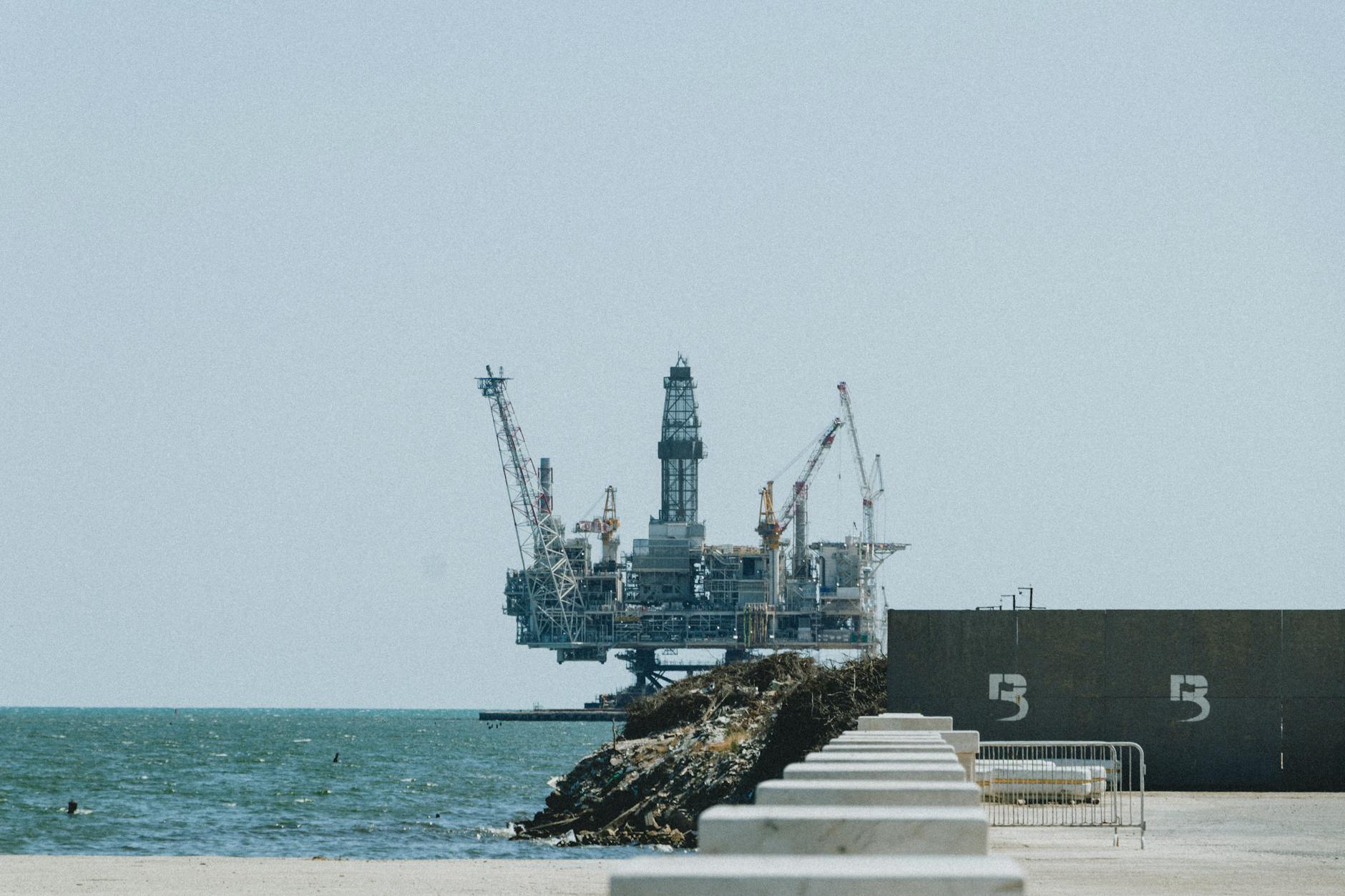
Image Analysis
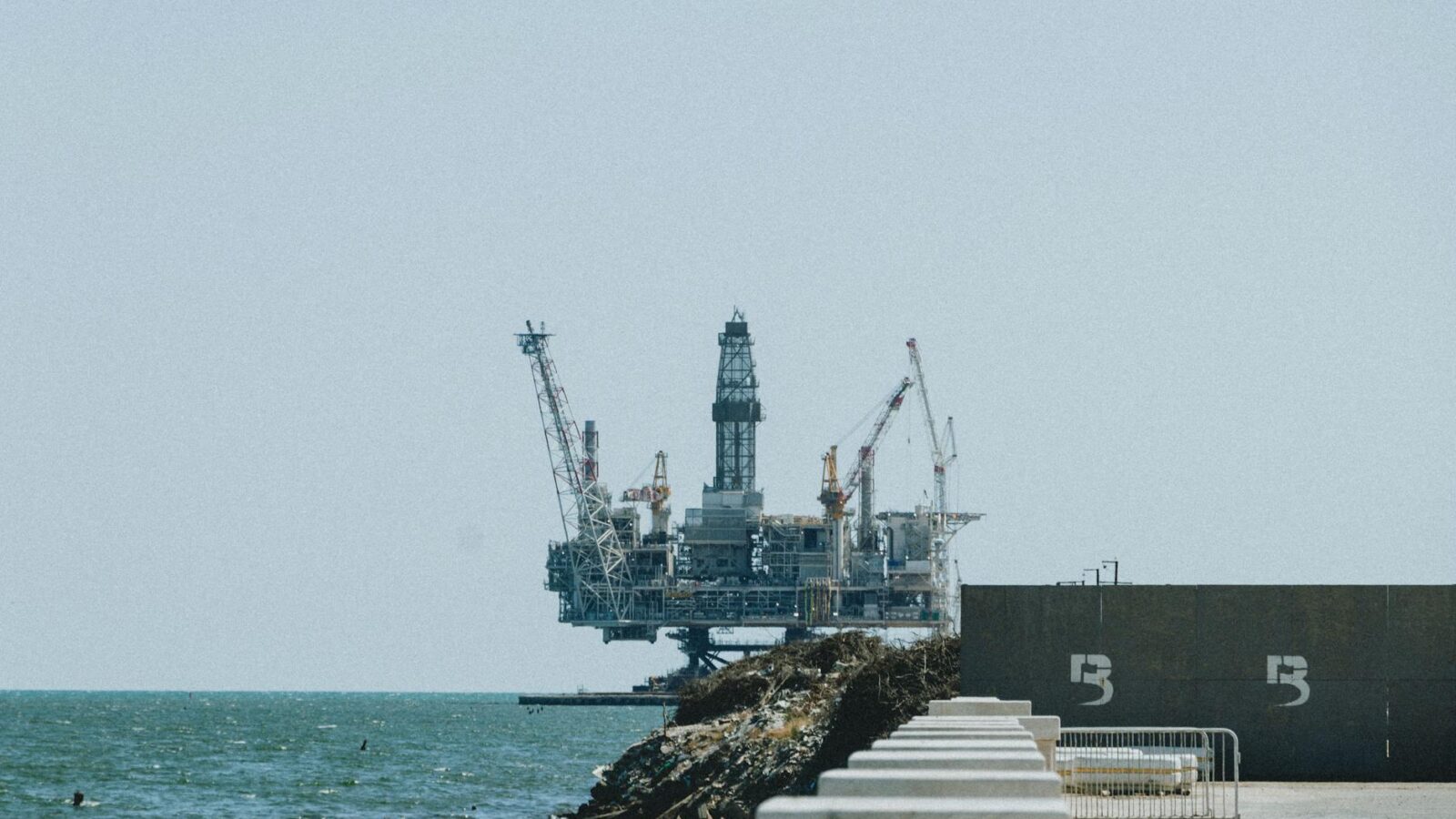
The image of the offshore oil drilling platform starkly juxtaposes the shifting energy landscape implied by the UAE's exit from OPEC. Dominating the horizon, the platform symbolizes the nation's historical reliance on fossil fuels, while the weathered pier in the foreground hints at an evolving era. The sea's calmness contrasts with the looming industrial presence, possibly representing the tension between traditional energy production and the nascent push towards sustainable resources. This visual encapsulates the ongoing debate about energy security and environmental responsibility in the region's future.