Before the Headline
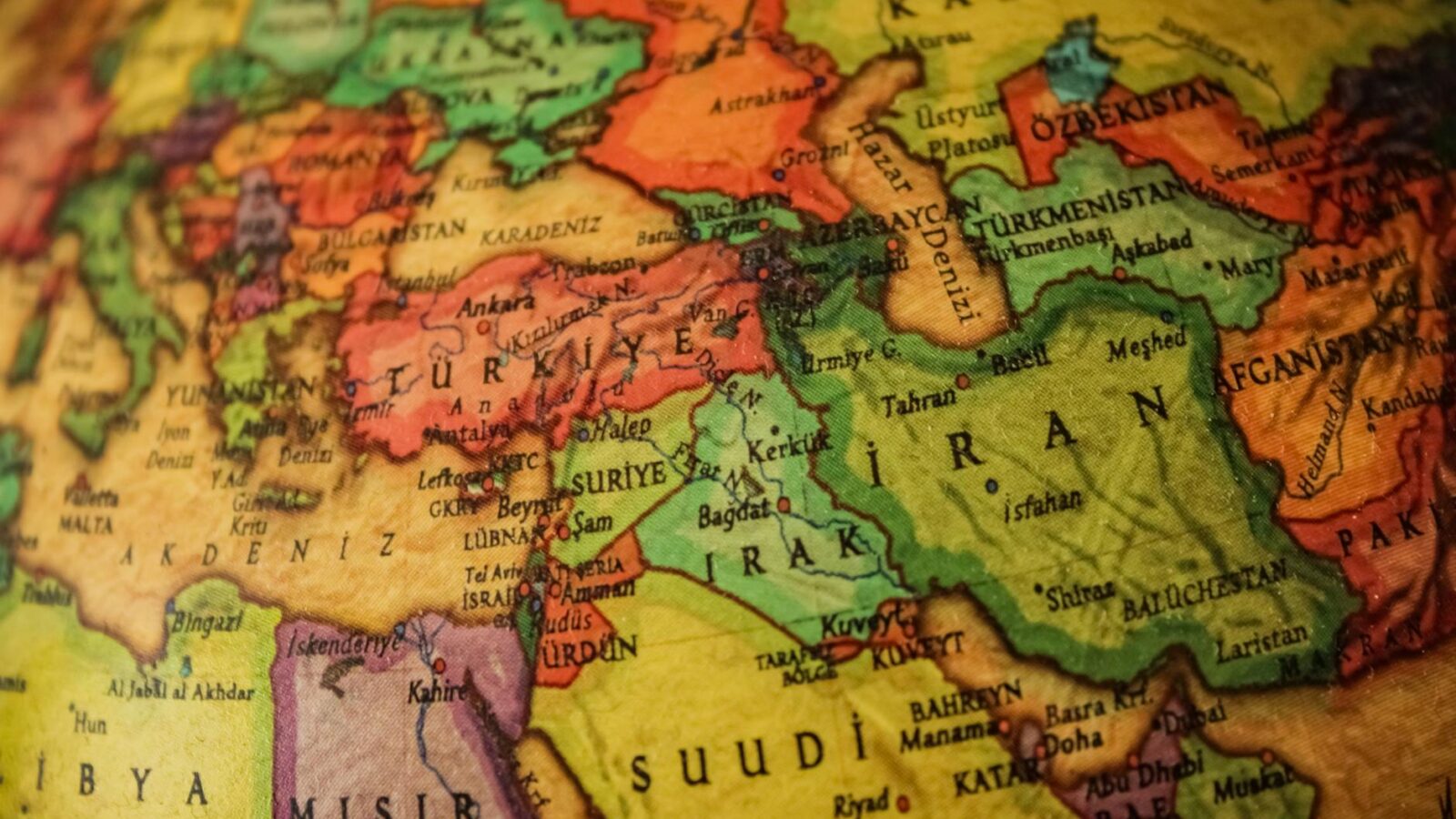
For decades, the Iran-Israel conflict has served as a critical axis of Middle Eastern geopolitics, shaping the policies and alignments of Arab nations caught in its shadow. Nations such as Saudi Arabia and the United Arab Emirates have historically viewed Iran’s ambitions with skepticism, often aligning themselves with Israel covertly or overtly to counterbalance Tehran’s influence since the 1979 Iranian Revolution.
Recently, the tensions between Iran and Israel have officially de-escalated, marking a potential turning point that reverberates across the region. This cessation of hostilities presents Arab nations with a unique opportunity to recalibrate their diplomatic and strategic positions in the Middle East.
As the dust settles from the Iran-Israel conflict, Arab states find themselves at a crossroads. The end of hostilities allows these nations to engage in a re-examination of their alliances, which could foster a more cohesive and unified Arab front. Historically, moments of decreased tensions, like the 1991 Gulf War, led to unexpected realignments, as nations recognized the need to address common challenges collaboratively.
However, the Arab world’s response to this new reality is layered with complexities. The traditional rivalries simmer beneath the surface, raising questions about whether this shift will truly translate into collaboration or if old grievances will resurface, undermining any newfound unity.
Between the Lines
Mainstream narratives often overlook the internal dynamics at play within the Arab nations themselves. While the end of the conflict may suggest a pathway towards better relations, varying national interests and historic enmities pose significant barriers to genuine collaboration. Countries like Egypt and Jordan, which have treaty relations with Israel, may face domestic backlash should they openly embrace a more unified Arab stance.
Moreover, the silence from key players regarding Iran’s role in regional disputes provides insight into the complexities of the situation. Despite the cessation of direct conflict, Iran remains a significant actor in proxy battles across the region, particularly in places like Syria and Yemen. Their continued involvement complicates the Arab nations’ ability to form a united front, even as they publicly advocate for a cohesive strategy against external threats.
After the Headline
Looking forward, the period following the de-escalation of the Iran-Israel conflict will be crucial for observing diplomatic shifts among Arab nations. By Q2 2025, it is reasonable to anticipate that at least three Arab countries will officially announce new diplomatic agreements or military cooperation pacts aimed at fostering a unified approach in response to the regional changes prompted by this conflict. These agreements will likely be accompanied by high-profile government statements and press conferences, which will serve as indicators of these nations’ commitment to collaboration.
Key dates to watch include major Arab League summits and joint military exercises that may signal new alliances taking shape. The willingness of nations to come together in formalized agreements will be a litmus test for how effectively they can navigate the post-conflict landscape, particularly in relation to Iran’s ongoing influence.
TIMES Take: The de-escalation of the Iran-Israel conflict presents Arab nations with a pivotal opportunity to reshape alliances and assert regional unity—a delicate dance that will determine the future of Middle Eastern geopolitics.